
5S is a Japanese concept of creating & maintaining an orderly workplace. It not only creates a workplace that looks good, but it creates a place that performs good.
It helps an organization in achieving efficiency in its operations, providing safety to its people and achieving quality of its products and services. It does so by creating a clutter free, neatly organized and clean workplace that is maintained using techniques of visual management as well as regular practices of habit formation by its people.
This document consisting of power point slides provides an introduction to this concept of 5s.
The contents of this document include slides with the following topics:
The title page
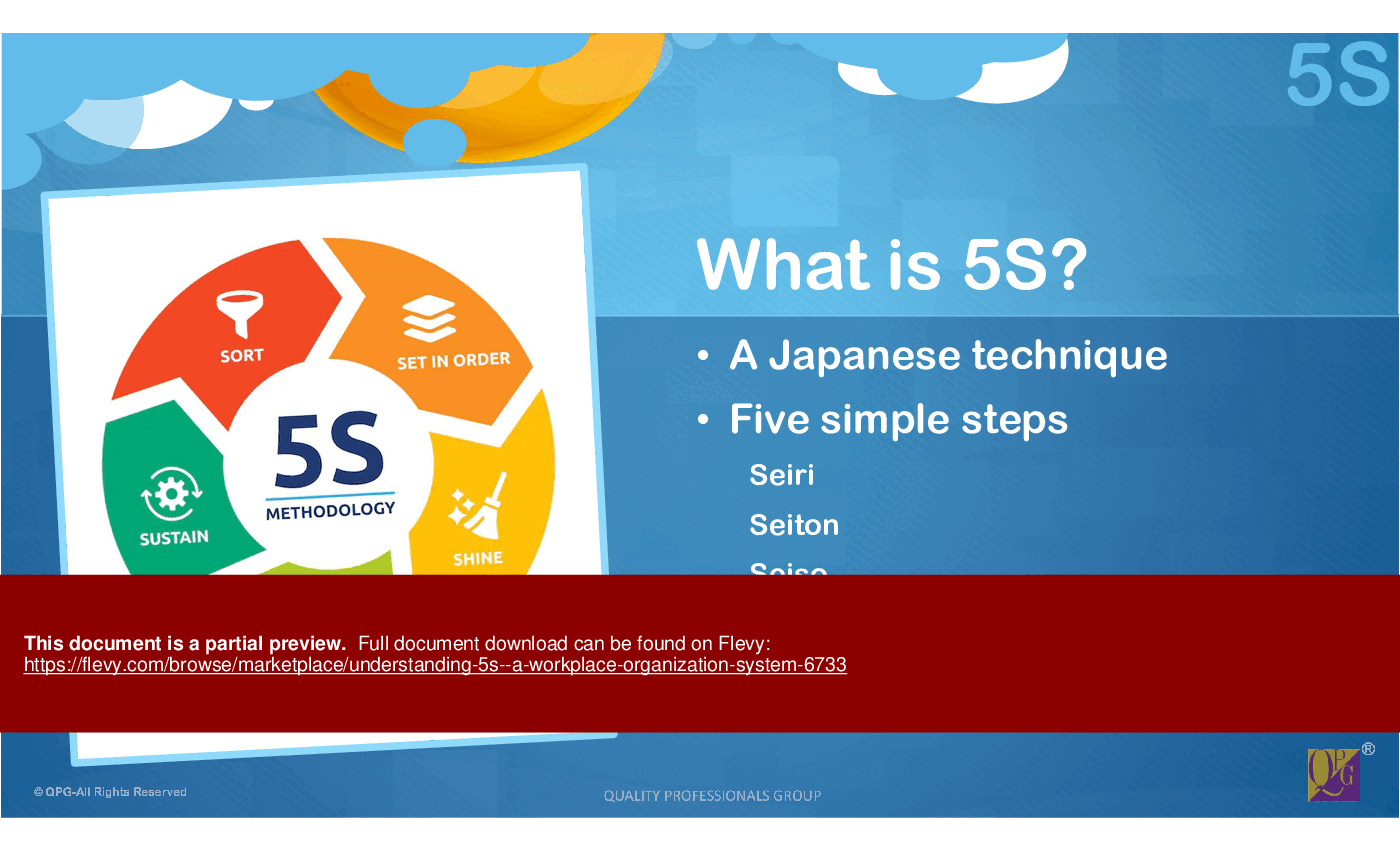
What is 5S?
5S is
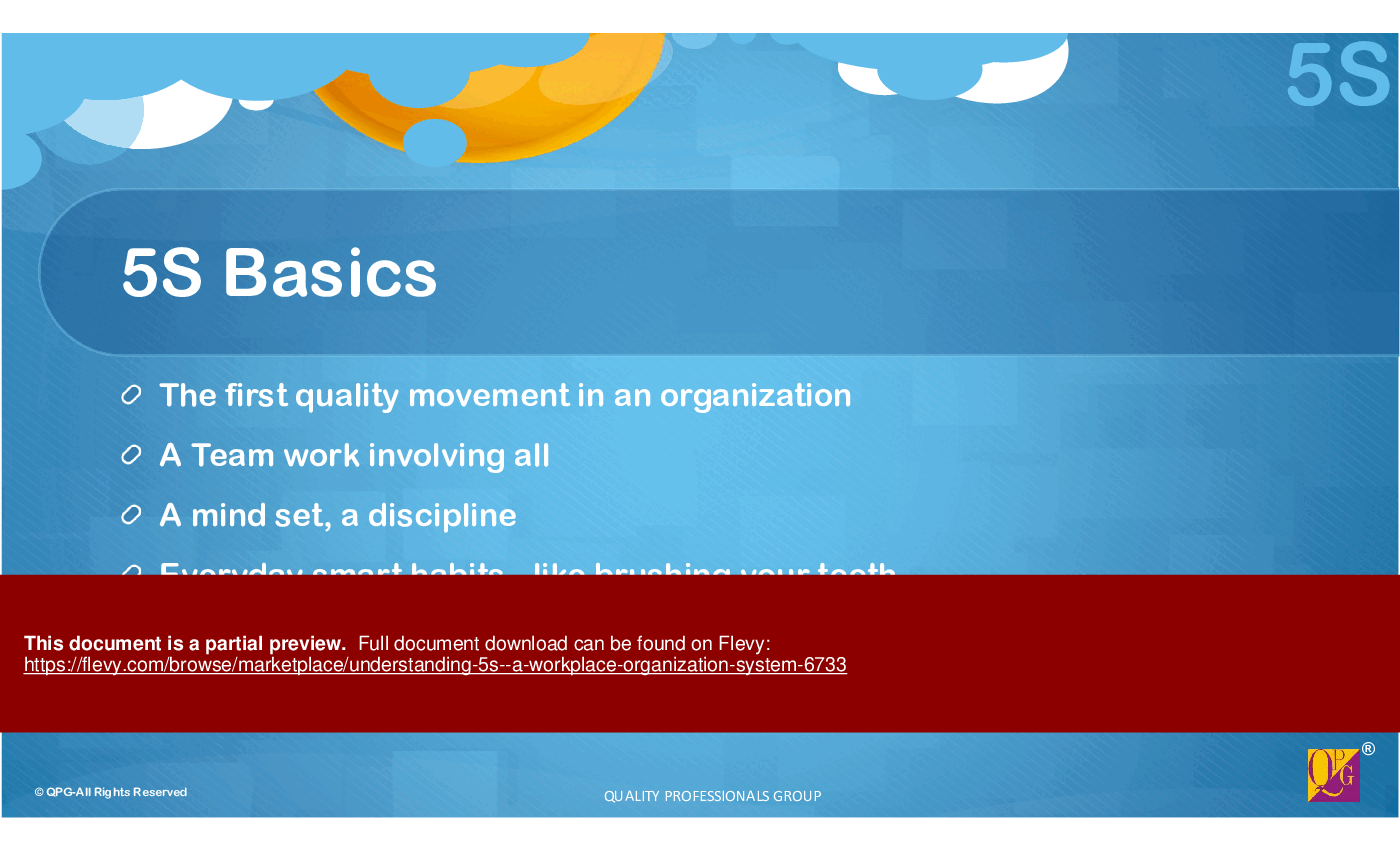
5S Basics
Quote by Mahatma Gandhi
5S benefits
What is 5S?
5S's – the 5 Japanese words
5S terms in English
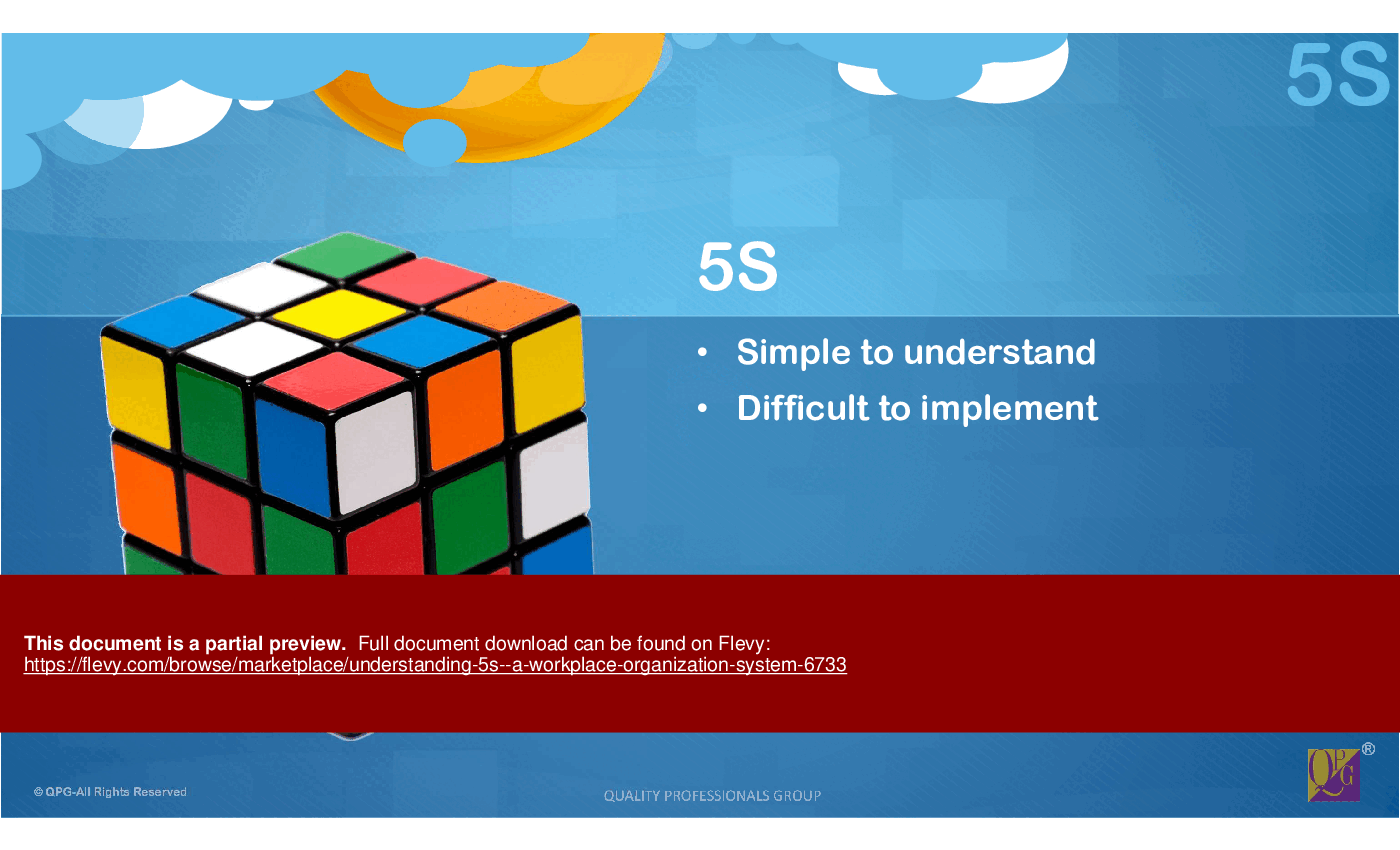
5S – easy to understand, difficult to implement
1st S: Sort
What are unwanted items?
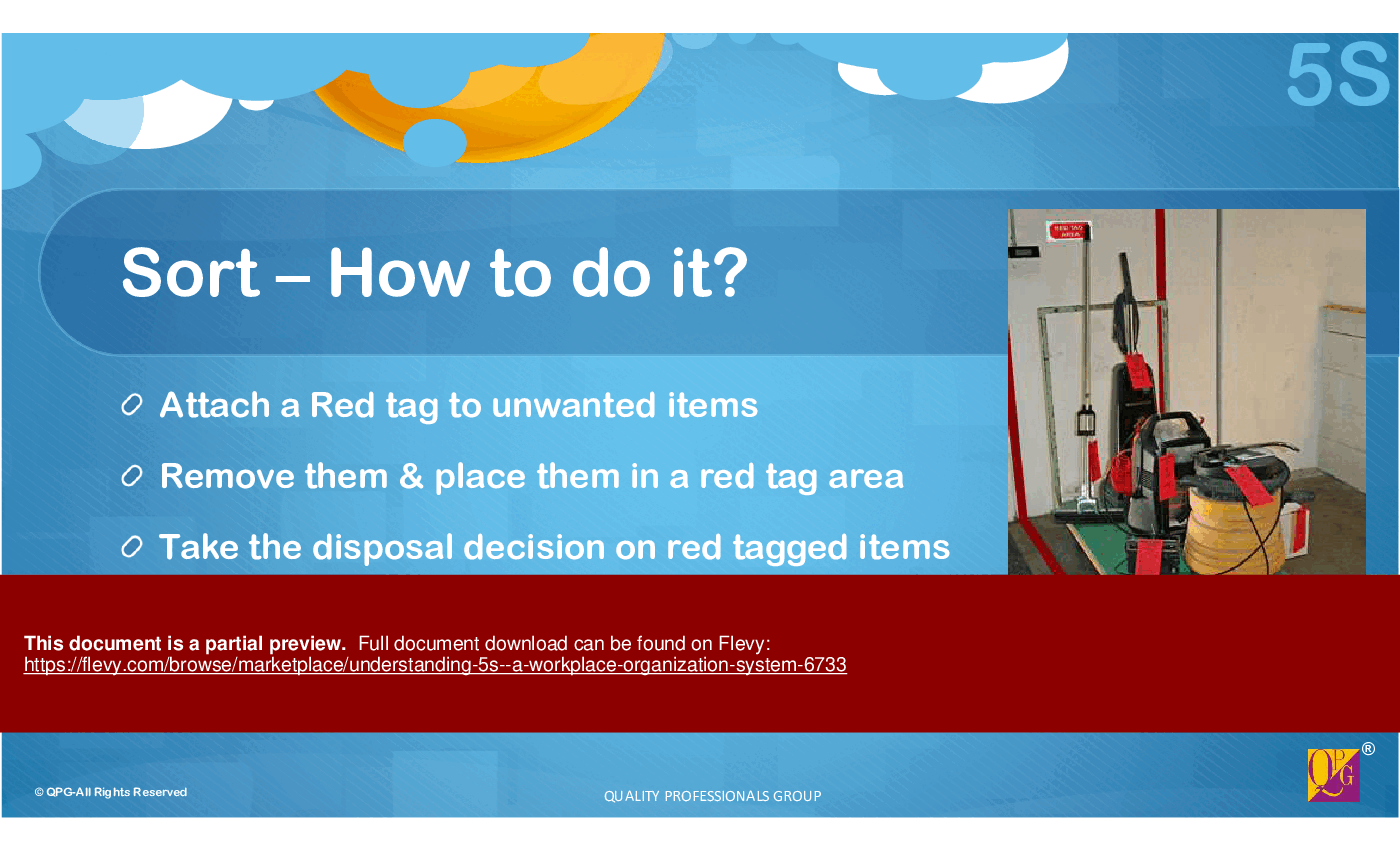
Sort – How to do it?
Benefits of Sort
2nd S: Set-in-order
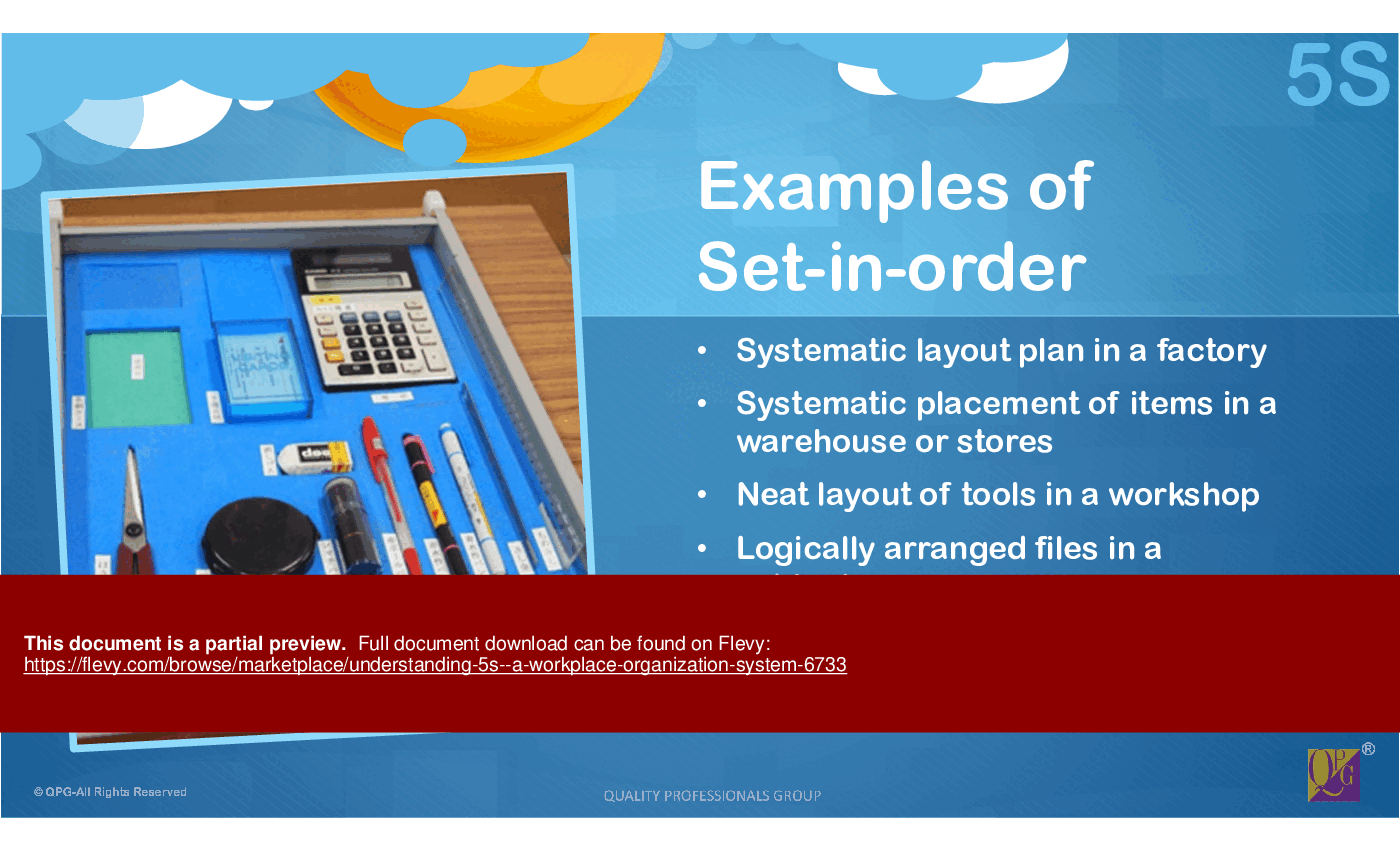
Examples of Set-in-order
Set-in-order – How to do it?
Benefits of Set-in-order
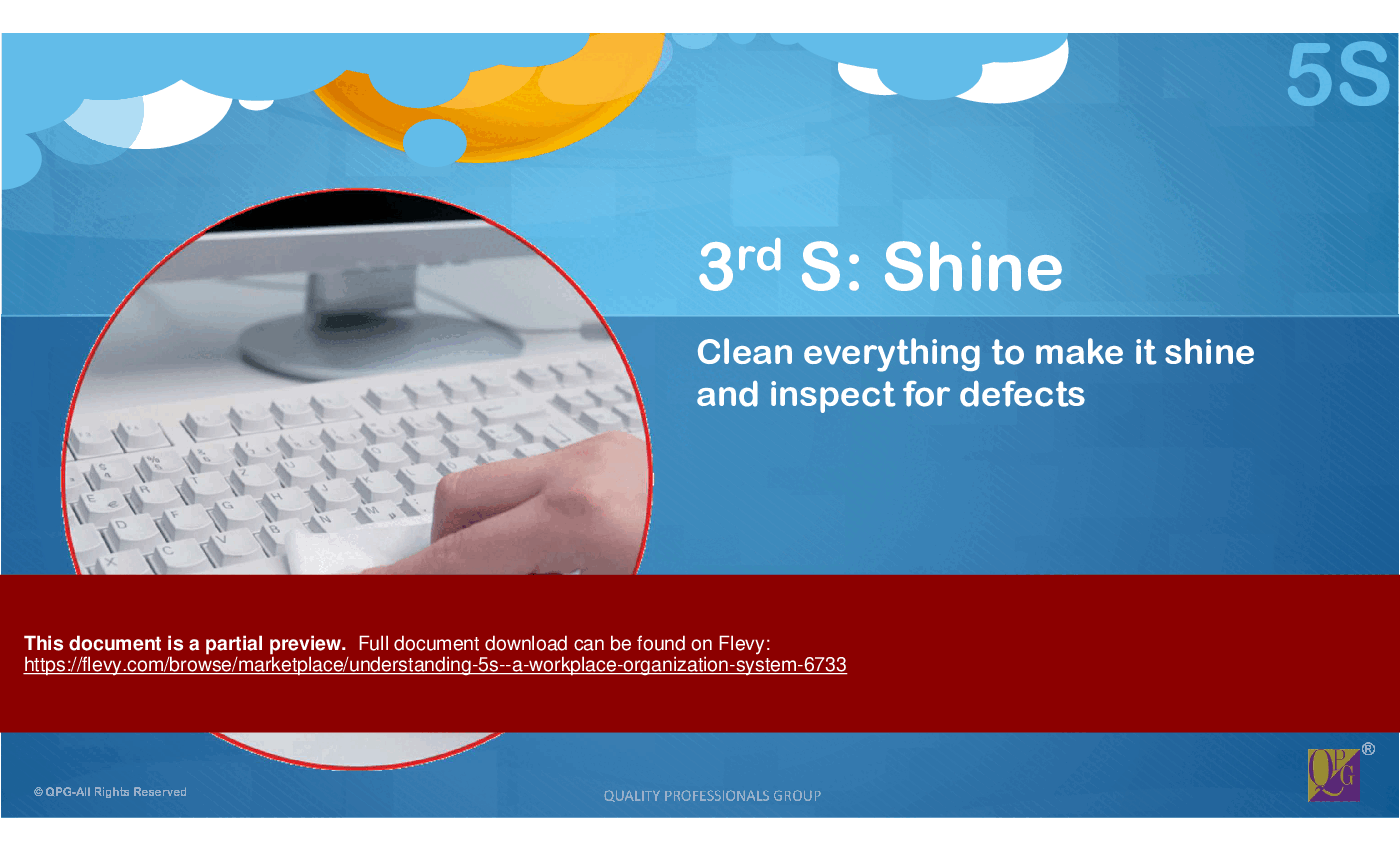
3rd S: Shine
Shine – How to do it?
Clean & Inspect Areas
Benefits of Shine
4th S: Standardize
Standardize – How to do it?
Standardize – Examples
Benefits of Standardize
5th S: Sustain
Sustain – How to do it?
Benefits of Sustain
5S leads to Lean
5S Implementation steps
5S Implementation steps (contd.)
5S Mission statement (example)
5S Vision statement (example)
5S Area layout (example)
5S Organogram (suggested)
5S Communication Board (example)
Fixed Point Photography (FPP) Concept
Before & After Pictures (Format)
5S Improvement Register (Format)
5S Audit Checklist (example)
5S is a journey
Thank you!
Got a question about the product? Email us at support@flevy.com or ask the author directly by using the "Ask the Author a Question" form. If you cannot view the preview above this document description, go here to view the large preview instead.
Executive Summary
This presentation titled "Understanding 5S - A Workplace Organization System" serves as a comprehensive guide to implementing the 5S methodology, which is essential for workplace organization and efficiency. It emphasizes the importance of the 5S principles—Sort, Set in Order, Shine, Standardize, and Sustain—as a foundation for continuous improvement in safety, quality, and productivity. By utilizing this deck, corporate executives, integration leaders, and consultants can effectively train their teams to adopt 5S practices, leading to enhanced operational efficiency and a safer work environment.
Who This Is For and When to Use
• Operations managers seeking to improve workplace organization
• Quality assurance teams focused on enhancing safety and efficiency
• Lean practitioners implementing continuous improvement initiatives
• Team leaders responsible for training and development in workplace practices
Best-fit moments to use this deck:
• During training sessions for new employees on workplace organization
• In workshops aimed at improving team collaboration and efficiency
• When launching a new initiative focused on workplace safety and quality
Learning Objectives
• Define the 5S methodology and its significance in workplace organization
• Build a systematic approach to sorting unnecessary items from the workspace
• Establish a clean and organized work environment through effective cleaning practices
• Create standardized procedures to maintain workplace order and cleanliness
• Develop self-discipline among team members to sustain 5S practices
• Identify and eliminate waste to improve overall operational efficiency
Table of Contents
• Introduction to 5S (page 3)
• The Five Steps of 5S (page 5)
• Benefits of 5S (page 10)
• Implementation Steps (page 15)
• Visual Controls and Standards (page 20)
• Sustaining 5S Practices (page 25)
Primary Topics Covered
• 5S Definition - 5S is a workplace organization methodology aimed at achieving efficiency, safety, and quality through systematic practices.
• Sort - The first step involves identifying and removing unnecessary items from the workspace to reduce clutter and improve safety.
• Set in Order - This step focuses on organizing items systematically, ensuring that everything has a designated place for easy access and use.
• Shine - Regular cleaning and inspection of the workspace to maintain cleanliness and identify defects is essential for a functional environment.
• Standardize - Establishing visual standards and procedures to maintain the first 3 S's ensures ongoing adherence to cleanliness and organization.
• Sustain - Developing habits through training and regular audits helps in maintaining the 5S practices over time.
Deliverables, Templates, and Tools
• 5S audit checklist for assessing workplace organization
• Visual standards and instructions for maintaining cleanliness
• Communication boards for tracking 5S progress and improvements
• Before and after photo documentation templates to showcase improvements
• Training materials for conducting 5S workshops and sessions
• Recognition programs to reward adherence to 5S practices
Slide Highlights
• Overview of the 5S methodology and its significance in workplace organization
• Detailed explanation of each of the 5 steps of 5S with practical examples
• Visual representations of before and after implementations of 5S
• Implementation steps and organizational structure for effective 5S practices
• Benefits of 5S illustrated through case studies and testimonials
Potential Workshop Agenda
Introduction to 5S (30 minutes)
• Overview of the 5S methodology and its importance
• Discussion on the benefits of implementing 5S in the workplace
Hands-On Sorting Session (60 minutes)
• Practical sorting of items in designated areas
• Group activities to identify unnecessary items
Standardization and Sustainment Workshop (45 minutes)
• Creating visual standards for maintaining organization
• Developing a plan for ongoing training and audits
Customization Guidance
• Tailor the training materials to reflect specific organizational needs and terminology.
• Incorporate company-specific examples and case studies to enhance relatability.
• Adjust the visual standards and checklists to align with existing workplace layouts and processes.
Secondary Topics Covered
• The role of leadership in sustaining 5S practices
• Integration of 5S with Lean methodologies for waste reduction
• Importance of team involvement in the 5S process
• Strategies for overcoming resistance to change in workplace practices
FAQ
What is the primary goal of 5S?
The primary goal of 5S is to create a clean, organized, and efficient workplace that fosters safety and quality through systematic practices.
How can 5S improve workplace safety?
By removing clutter and organizing items, 5S reduces hazards and creates a safer environment for all employees.
What are some common challenges in implementing 5S?
Challenges may include resistance to change, lack of management support, and insufficient training for employees.
How often should 5S audits be conducted?
Regular audits should be conducted at least quarterly to ensure adherence to 5S practices and identify areas for improvement.
Can 5S be applied in any industry?
Yes, 5S is a versatile methodology that can be adapted to various industries, including manufacturing, healthcare, and office environments.
What tools can help in sustaining 5S practices?
Visual controls, regular training, and recognition programs are effective tools for sustaining 5S practices over time.
How does 5S relate to Lean principles?
5S is often considered a foundational element of Lean methodologies, focusing on waste elimination and efficiency improvements.
What is the significance of visual standards in 5S?
Visual standards help employees understand expectations and maintain organization, making it easier to identify abnormalities.
Glossary
• 5S - A workplace organization methodology consisting of Sort, Set in Order, Shine, Standardize, and Sustain.
• Sort - The process of identifying and removing unnecessary items from the workspace.
• Set in Order - Organizing items systematically for easy access and use.
• Shine - Cleaning and inspecting the workspace to maintain cleanliness and identify defects.
• Standardize - Establishing visual standards and procedures to maintain organization.
• Sustain - Developing habits and practices to ensure ongoing adherence to 5S principles.
• Visual Controls - Tools and methods used to make standards and expectations clear in the workplace.
• Audit - A systematic review of adherence to 5S practices and identification of areas for improvement.
• Lean - A methodology focused on waste reduction and efficiency improvements in processes.
• Kaizen - Continuous improvement practices that involve all employees in enhancing processes.
• Team Involvement - Engaging all employees in the 5S process to foster ownership and accountability.
• Management Support - Leadership backing necessary for successful implementation and sustainability of 5S practices.
Source: Best Practices in Visual Workplace PowerPoint Slides: Understanding 5S - A Workplace Organization System PowerPoint (PPTX) Presentation Slide Deck, Quality Professionals Group
This document is available as part of the following discounted bundle(s):
Save %!
5S Master Implementation Program
This bundle contains 6 total documents. See all the documents to the right.
|
Receive our FREE presentation on Operational Excellence
This 50-slide presentation provides a high-level introduction to the 4 Building Blocks of Operational Excellence. Achieving OpEx requires the implementation of a Business Execution System that integrates these 4 building blocks. |










